Give Your Self-Esteem A Software Update
Low self-esteem is usually based on old mental programming that can be rewritten

The Roots of Low Self-Esteem
The roots of low self-esteem can often be traced back to our early adolescence and young adulthood. That is when we become extremely sensitive to how we are perceived by our peers and how our social standing compares to others.
If we perceived ourselves as less attractive, capable, athletic, interesting, or less socially or romantically desirable, those impressions—accurate or not—can have a lasting negative impact on our self-esteem, and create an emotional wound that stays with us as adults. Every time we experience rejection, failure, or loneliness, it can feel like a verification of our adolescent perceptions—that we are not “enough.”
Emotional wounds of this kind can be very tenacious. No matter how much we’ve changed or grown, setbacks in the present can send our self-esteem time-traveling back to the past. We can be overtaken by the feeling that everything we’ve accomplished cannot change the painful “truth” of our fundamental inadequacy or unacceptance.
But you do not have to be hostage to those emotional wounds forever.
Part 1: Rejecting the Old Narrative
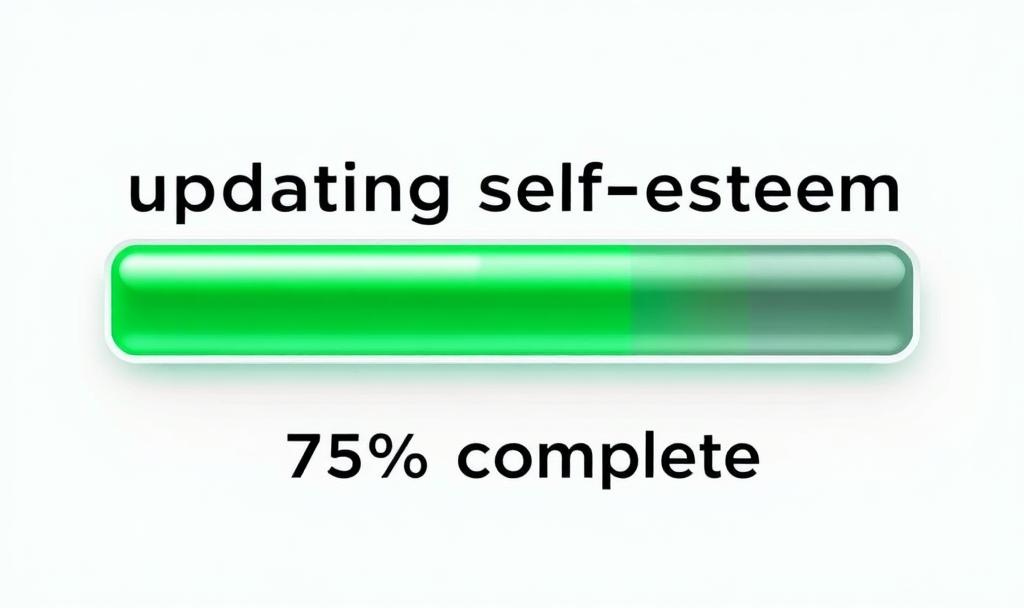
If your self-esteem is stuck in the past, you need to give it a software update and bring it into alignment with the person you are today.
You might have already done that mentally—in your head—because our conscious mind is reasonable and can be convinced by facts and evidence. However, our unconscious mind is not. It clings to old beliefs quite stubbornly, and it is those beliefs that drive your emotional reactions in the present.
The first step is to reject the old, inaccurate narrative of unworthiness.
The best way to do that is to ridicule it. When you’re reeling from failure, rejection, or loneliness, your unworthiness can feel like “truth.” Remind yourself: that “truth” is based on the opinions of fourteen-year-olds. That is who is dictating your self-esteem as an adult—a bunch of immature and inexperienced tweens and teenagers whose brains are still a decade away of becoming fully developed.
Once you realize who you’ve been outsourcing your self-esteem to, you might recoil at the notion. Good. Recoil away. Develop an intolerance for that old narrative. It’s ridiculously outdated.
Part 2: Updating the Narrative in Your Unconscious Mind
Rejecting the old narrative is necessary, but it isn’t enough. Since low self-esteem is often the result of our unconscious mind clinging to the way we felt about ourselves as teenagers, you also need to update the story your unconscious mind believes. You can’t do that directly; your unconscious won’t buy that you were worthy all along—it’s too contradictory to its existing beliefs. But it will buy that you have grown and evolved since then. So:
1. List 7–10 moments from your tween and teen years that stand out as painful moments of feeling unintelligent, unattractive, unworthy, unaccepted, unliked, unseen, unappreciated, or unloved.
2. For each one, write an update to your story. Capture a moment in adulthood when you felt the opposite—when you realized that you were intelligent and capable, when you found your people, when you felt loved and cared for, when you accomplished something meaningful, when you felt proud to be you.
Writing these updates will help your unconscious mind begin to revise its antiquated narrative. Repetition matters: the more evidence you provide and the more you review it, the more persuasive the new story becomes.
Putting It into Practice
Whenever you’re having a low self-esteem day and the old feelings start to creep in, visualize a fourteen-year-old saying those negative things to you—and then laugh them out of your mind or send them to their room. Then take out your list of updated moments and remind yourself of who you are today, not who you were at fourteen.
That is how you update your self-esteem software—rejecting outdated programming and replacing it with a story that reflects your adult reality.
Worth Checking Out
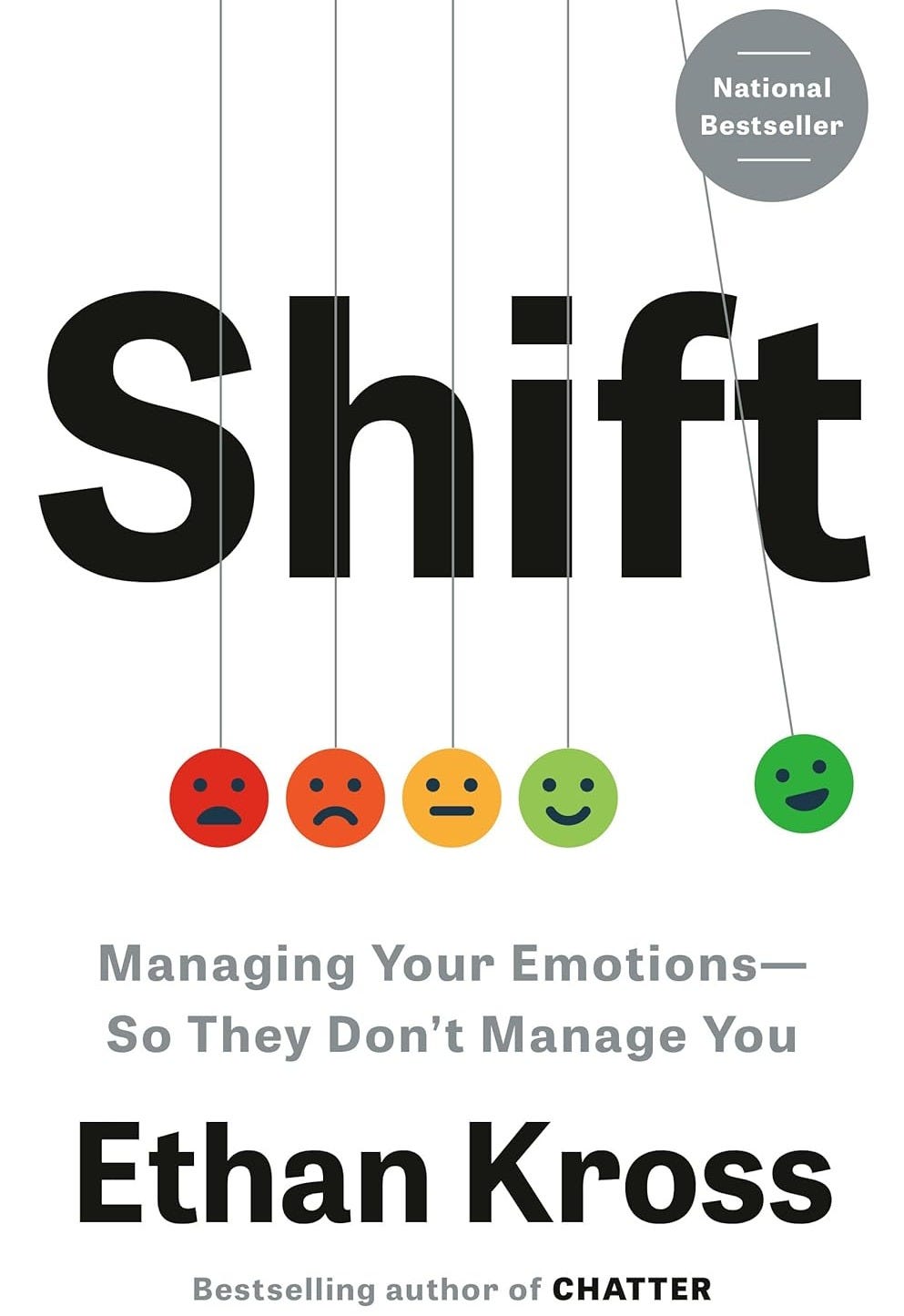
1: Shift: Managing Your Emotions--So They Don’t Manage You by Ethan Kross (Crown, 2025) is a science-based guide to managing your feelings, from a leading researcher in the field. Practical, and eye-opening, and a great read. This is Ethan’s second bestseller in a row and for a good reason. His first was Chatter: The Voice in Our Head, Why It Matters, and How to Harness It (Crown, 2021)—which is also an excellent read and just as practical and eye-opening.
2: Okay, so yes, I mentioned Mind Over Grind: How to Break Free When Work Hijacks Your Life (Simon & Schuster) in the last newsletter (for more info click here!) and now I’m doing it again—but only because I’m truly excited about the early feedback I’m getting. Early readers are gushing about how impactful the book is and how much it is helping them improve their quality of life both at work and at home. I spent years developing the ideas in the book so please forgive my enthusiasm. And for those of you who have pre-ordered the book—a big thank you!
Feedback about this post or requests for future topics? Let me know here or email newsletter@guywinch.com